Storm-Ready or Storm-Sorry: How to Evaluate and Fortify Your Pool Cover Bracket System Before Severe Weather Hits
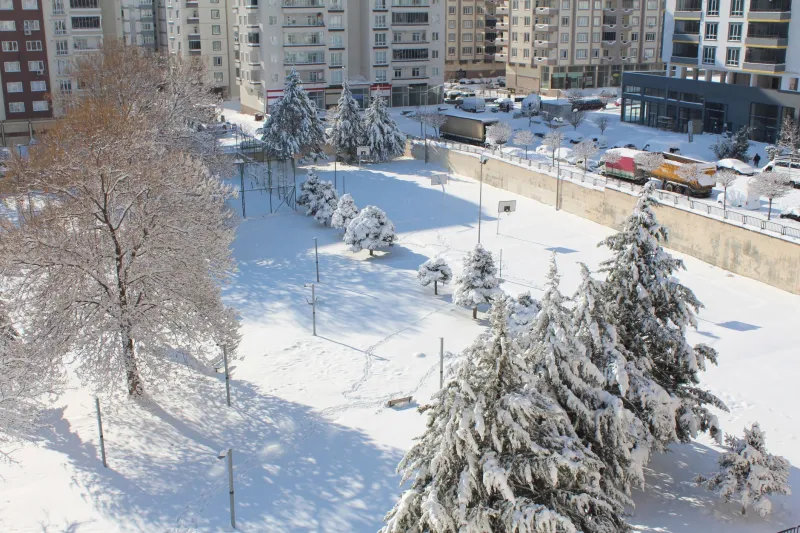
Every year, pool owners across the United States discover the same uncomfortable truth: a cover bracket that performed adequately through mild winters or calm summer storms is not necessarily equipped to handle what the next severe weather season brings. Whether the threat arrives as a nor'easter dropping two feet of snow on a New England backyard, a Gulf Coast hurricane pushing sustained winds above 90 miles per hour, or a Plains state freeze-thaw cycle that quietly destabilizes anchoring hardware over several months, the consequence is the same — a cover system that fails at precisely the moment it is needed most.
Understanding what separates a resilient bracket system from a vulnerable one requires looking beyond product marketing and examining the underlying engineering, material properties, and installation practices that determine real-world performance.
Why Standard Bracket Specifications Are Not Enough
Most pool cover brackets sold in the US market are rated for typical residential use under average seasonal conditions. That rating is meaningful — but it does not account for the growing frequency of weather events that exceed historical norms. According to the National Oceanic and Atmospheric Administration, the number of billion-dollar weather disasters in the US has increased substantially over the past two decades, with events that were once considered rare now occurring with regularity in regions that previously experienced moderate climates.
For pool owners, this trend has a direct practical implication. A bracket specified for a region historically characterized by mild winters may now be operating in conditions that regularly produce ice loading, ground heave, and thermal cycling far beyond what its design assumed. Relying on outdated specifications without reassessing your system's actual exposure is a risk that carries real financial and safety consequences.
Material Performance Under Extreme Conditions
Not all bracket materials respond to severe weather in the same way, and the differences become most apparent under sustained stress.
Stainless Steel (Grade 304 and 316): Stainless steel remains the benchmark for corrosion resistance and structural integrity across a wide temperature range. Grade 316, which contains molybdenum, offers superior resistance to salt air and chemical exposure — a critical consideration for coastal properties or pools treated with saltwater systems. Under heavy snow loads, stainless steel brackets maintain their structural geometry without the deformation risk that affects lower-grade alloys. However, improper installation depth can undermine even the best material, as surface-mounted stainless anchors are still vulnerable to frost heave in climates where ground freezing penetrates deeply.
Aluminum Alloys: Lightweight and corrosion-resistant, aluminum brackets are widely used in residential settings. Their performance under wind loading is generally acceptable for moderate conditions, but aluminum's lower tensile strength compared to steel becomes a meaningful liability in high-wind environments. In regions prone to hurricane or severe thunderstorm activity, aluminum bracket arms can bend or shear under sustained lateral force, particularly if the cover becomes a sail-like surface that concentrates load on individual anchor points.
Polymer and Composite Components: Many bracket systems incorporate polymer elements — deck anchors, sleeve inserts, or adjustment mechanisms. These components are susceptible to UV degradation over time, which reduces their mechanical strength. In extreme cold, certain polymers become brittle, increasing the risk of cracking under impact or sudden load. Pool owners in northern climates should inspect polymer components annually for signs of discoloration, surface crazing, or reduced flexibility.
Installation Depth: The Variable That Determines Survival
The engineering of the bracket itself accounts for only part of storm performance. Installation depth — how far anchoring hardware penetrates into the deck substrate — is frequently the deciding factor when conditions become severe.
In northern states where frost depth can reach 48 inches or more, anchors installed at the minimum code depth may experience significant upward displacement as the ground freezes and expands. This heaving can crack deck surfaces, misalign bracket positions, and compromise the tension geometry of the cover system. Professional installers operating in these climates typically specify deeper sleeve installations and use expansion anchor designs that resist vertical extraction forces.
In coastal regions subject to high-wind events, the concern shifts to lateral loading. Anchors must resist not just the downward weight of the cover but the horizontal and upward forces generated when wind gets beneath or against the cover surface. Embedment depth, anchor diameter, and the compressive strength of the surrounding deck material all contribute to resistance against pullout under these conditions.
Regional Case Studies: What Severe Weather Actually Does
Northeast — Snowfall and Ice Loading: A pool owner in western Massachusetts reported bracket failure following a storm that deposited 28 inches of wet, dense snow over 36 hours. The aluminum deck anchors had been installed four years prior and showed no visible deterioration. Post-failure inspection revealed that repeated freeze-thaw cycles had gradually loosened the anchor sleeves within the concrete deck, reducing their effective holding strength well below the manufacturer's rated specification. The lesson: even visually sound brackets require periodic torque verification and sleeve inspection in climates with frequent temperature fluctuations.
Gulf Coast — Wind and Storm Surge: A commercial pool facility in coastal Louisiana sustained cover system damage during a tropical storm with sustained winds of 75 mph. The covers themselves were intact, but three bracket arms on the windward side of the pool were bent beyond serviceability. The facility had used brackets rated for residential wind loads, which proved insufficient for the exposure category of a large commercial pool in a coastal zone. Upgrading to heavy-duty commercial brackets with reinforced arm geometry and deeper anchor embedment resolved the vulnerability before the following season.
Upper Midwest — Temperature Extremes: In Minnesota, where winter temperatures can drop to minus 30°F and summer highs exceed 95°F, a pool owner experienced progressive bracket misalignment over three seasons. The root cause was thermal expansion and contraction cycling that gradually worked the anchor sleeves loose within a brick paver deck. The solution involved transitioning to anchors designed with compressible sleeve liners that accommodate thermal movement without loosening.
Actionable Steps Before Storm Season Arrives
For pool owners seeking to evaluate and reinforce their systems before conditions deteriorate, the following sequence provides a practical framework.
Conduct a Pre-Season Inspection: Examine every bracket anchor point for play, corrosion, or cracking in surrounding deck material. Apply measured torque to anchor fasteners and note any that cannot be tightened to specification — these indicate compromised sleeve engagement and require immediate attention.
Verify Load Ratings Against Your Climate Zone: Cross-reference your bracket system's rated wind and snow load capacity against the design values for your specific location. ASCE 7, the standard used by structural engineers for wind and snow load calculations, provides zone-specific values that can serve as a reference benchmark.
Upgrade Anchor Depth Where Feasible: If your current installation uses shallow anchors in a frost-prone or high-wind environment, consult with a qualified installer about deepening the embedment or transitioning to expansion anchors with greater extraction resistance.
Consider a Secondary Retention System: In regions with extreme wind exposure, supplemental water bags or ballast systems used in conjunction with brackets provide redundant resistance. No single anchoring point should bear the full load of a cover under storm conditions.
Schedule Inspections After Major Events: Following any storm that produces conditions near or above your system's rated capacity, inspect all anchor points before returning the cover to service. Damage that is not visible at the surface may still have compromised structural integrity.
The Cost of Waiting
Bracket reinforcement and replacement are straightforward investments when approached proactively. The cost of addressing a failed system after a storm — including cover replacement, deck repair, potential pool damage, and the safety risks associated with an unsecured pool — consistently exceeds the cost of preventive action by a substantial margin.
The storms are coming. The only meaningful variable is whether your bracket system is ready for them.