Vanishing Hardware: The Rise of Pool Anchoring Equipment Theft and What Every Homeowner Should Do About It
For most pool owners, the word "security" conjures images of childproof gates, pool alarms, and proper fencing. Few consider that the metal hardware anchoring their pool cover to the deck is itself a theft target. Yet reports from neighborhood watch groups, insurance adjusters, and pool service professionals across the country suggest a quiet but growing problem: pool cover brackets, anchor sockets, and associated fastening hardware are being systematically removed from residential properties — often without the homeowner noticing until the cover fails.
Understanding this threat is not alarmist. It is simply good stewardship of an investment that, for many families, represents several hundred to several thousand dollars in equipment alone.
Why Pool Cover Hardware Attracts Thieves
At first glance, a set of deck anchors or cover brackets may seem like an unlikely prize. In reality, several factors make this equipment attractive to those inclined toward opportunistic theft.
Metal value. Most quality pool cover brackets are manufactured from stainless steel, brass, or heavy-gauge aluminum — materials that carry meaningful scrap value. A complete anchoring system stripped from a mid-sized residential pool can yield a surprising return at a scrap yard, particularly when stainless steel prices are elevated. Unlike copper wiring or HVAC components — theft targets that are widely publicized — pool hardware attracts far less attention from law enforcement, making it a lower-risk proposition for thieves.
Accessibility. Pool decks are typically located in the rear or side yard of a home, often shielded from street view by fencing or landscaping. This natural privacy, designed to protect children and create a relaxing atmosphere, inadvertently creates an environment where a thief can work with minimal exposure. In neighborhoods where pools are common, a person crouching near a deck may not draw immediate suspicion.
Seasonal vulnerability. The off-season is when risk spikes. During winter months, pool areas are visited infrequently. A homeowner who closes the pool in late October may not return to the deck until April. That six-month window provides ample opportunity for hardware to be removed, sold, and forgotten before the loss is ever discovered.
Resale potential. Beyond scrap, intact anchoring systems and high-quality brackets can be resold through online marketplaces or informal networks. A complete, undamaged set of name-brand anchors may attract buyers who are unaware — or unconcerned — about the item's provenance.
The Consequences Beyond Replacement Cost
The financial inconvenience of replacing stolen hardware is real, but it is only part of the picture. The more serious consequence is the safety gap that theft creates.
A pool cover without a complete, properly functioning anchoring system is not merely inconvenient — it is dangerous. Covers that are inadequately secured can shift under wind pressure, accumulate water unevenly, or fail entirely under the weight of debris or snow. For households with young children or pets, a compromised cover represents a genuine drowning hazard. Insurance claims related to pool cover failures are frequently denied when the underlying cause is traced to missing or damaged anchoring components, a reality explored in detail by industry observers and underwriters alike.
Beyond the immediate household, a stolen anchoring system often means the homeowner operates with a false sense of security. The cover remains in place — visually — while the structural integrity of the system has been silently undermined.
Practical Prevention: A Layered Approach
Effective theft deterrence for pool equipment follows the same logic applied to home security generally: multiple overlapping measures are more effective than any single intervention.
Anchor Locking Mechanisms
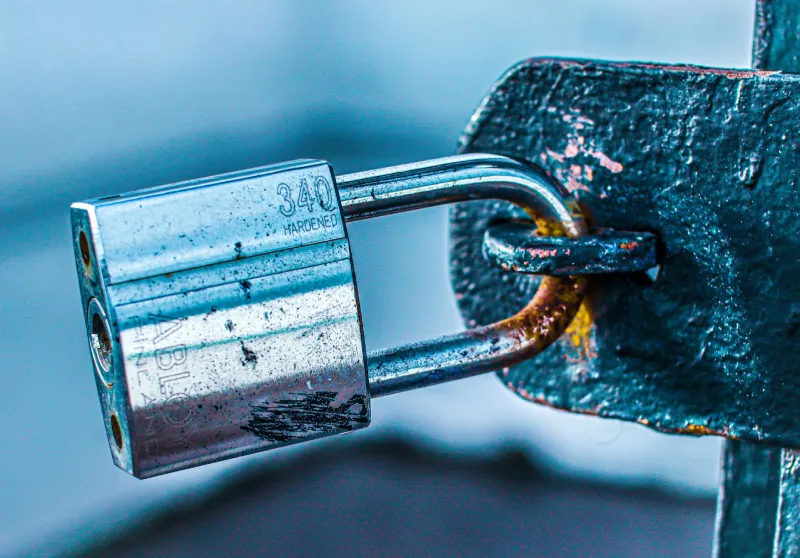
Many deck anchor sockets are designed for ease of installation, which inadvertently makes them easy to remove. Aftermarket locking inserts — small devices that thread into the anchor socket and require a specialized key or tool to extract — are available for most standard anchor configurations. These add meaningful resistance without altering the functionality of the cover system. For homeowners investing in premium anchoring hardware, this relatively low-cost addition is worth serious consideration.
Tamper-Resistant Fasteners
Where brackets are secured to the deck or pool coping with standard hardware, replacing those fasteners with tamper-resistant variants adds another layer of friction. One-way screws, security hex bolts, and pin-in-hex configurations are widely available at hardware suppliers and significantly increase the time and effort required to remove components — a meaningful deterrent for opportunistic thieves working quickly.
Exterior Lighting and Motion Sensors
The pool deck should be treated as a security perimeter, not merely a recreational space. Motion-activated lighting positioned to illuminate the deck and surrounding area removes the cover of darkness that opportunistic theft depends on. Modern solar-powered motion lights are inexpensive to install and require no electrical work, making them accessible to virtually any homeowner.
Video Surveillance
The cost of residential security cameras has dropped substantially over the past decade. A weatherproof camera covering the pool area — connected to a home network and accessible via smartphone — serves both as a deterrent and as an evidence-gathering tool. When combined with a visible warning sign indicating that surveillance is active, the psychological effect on would-be thieves is well documented.
GPS Asset Tracking
For higher-value anchoring systems and cover hardware, small GPS tracking devices — many no larger than a coin — can be affixed to or concealed within equipment. While this does not prevent theft, it dramatically improves the likelihood of recovery and can assist law enforcement in identifying patterns of targeted theft in a given neighborhood.
Neighborhood Coordination
Pool equipment theft rarely occurs in isolation. Thieves who identify a productive target area tend to return. Coordinating with neighbors through platforms such as Nextdoor or local neighborhood watch programs allows for rapid information sharing when suspicious activity is observed. Several municipalities across the US have implemented formal programs that connect residents with local law enforcement specifically around property crime prevention — these resources are worth consulting.
Seasonal Inventory Checks
Establishing a routine of photographing and inventorying pool hardware at the beginning and end of each season costs nothing and creates a baseline record. This documentation is invaluable when filing insurance claims or police reports and helps ensure that any theft is identified promptly rather than discovered months later.
A Note on Insurance Documentation
Homeowners should verify with their insurer whether pool cover hardware is covered under their existing policy and under what conditions. Many standard homeowners policies extend coverage to outdoor structures and equipment, but the claim process is considerably smoother when the owner can demonstrate the original value and condition of the stolen items. Receipts, photographs, and model numbers stored securely — in cloud storage or a home safe — make that process straightforward.
Protecting What Protects Your Pool
A pool cover is only as reliable as the system holding it in place. That system — the brackets, anchors, and fasteners that most owners never think about until something goes wrong — deserves the same deliberate attention given to any other aspect of pool safety and maintenance. Theft is not an abstract concern. It is a documented, recurring event that affects residential pool owners in communities across the country.
The measures outlined here are not expensive or technically demanding. They are, however, consistent with the broader principle that responsible pool ownership means attending to every component of the system — including the ones you cannot see from the water's edge.