Climate-Smart Pool Coverage: A Regional Bracket Selection Guide for US Pool Owners in 2024
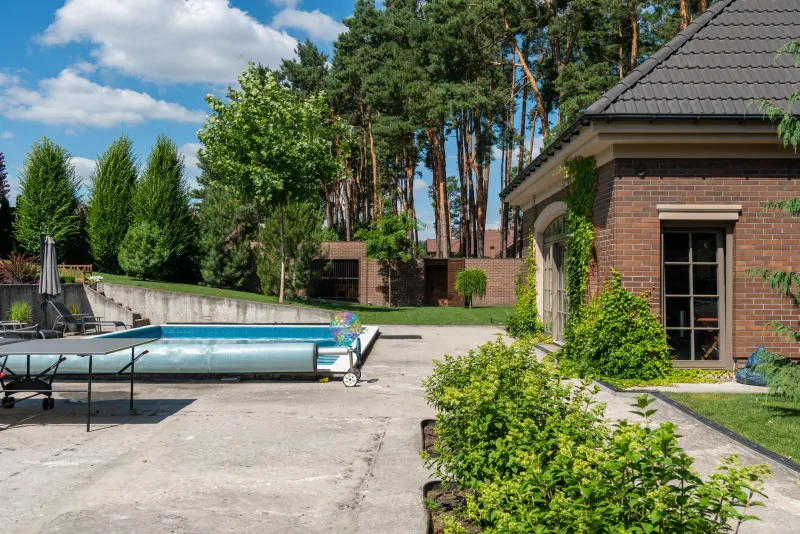
When it comes to pool cover systems, the question most owners ask first is: which cover do I need? That is a reasonable starting point, but it misses a critical upstream decision — which bracket system will actually keep that cover performing as intended in your specific geographic environment?
The United States encompasses an extraordinary range of climate conditions, and pool cover brackets that perform reliably in the mild winters of the Pacific Northwest may be wholly inadequate for the ice-laden conditions of upstate New York or the sustained wind loads common across the Texas Panhandle. In 2024, with weather patterns continuing to intensify in many regions, matching your bracket system to your climate zone has never been more consequential.
This guide is organized by the major US climate zones relevant to pool ownership, with specific bracket selection criteria for each.
Understanding What Climate Does to Bracket Systems
Before diving into regional recommendations, it is worth establishing why climate affects bracket performance so directly.
Pool cover brackets are exposed to the full range of ambient conditions year-round. They experience thermal cycling — expanding in summer heat and contracting in winter cold — which gradually works anchor points loose. They absorb UV radiation, which degrades polymer components and weakens cover attachment points. They bear the weight of accumulated snow, ice, or pooled water depending on the season. And they resist lateral wind forces that attempt to dislodge covers from their seated position.
Different climates stress these failure modes in different proportions. A well-designed bracket selection process accounts for the dominant stressors in a given region and prioritizes material and engineering properties accordingly.
The Northeast: Heavy Snow, Hard Freezes, and Ice Damming
States: Maine, New Hampshire, Vermont, Massachusetts, Rhode Island, Connecticut, New York, New Jersey, Pennsylvania
The Northeast presents perhaps the most demanding bracket environment in the continental US. Pool owners in this region contend with sustained freezing temperatures from November through March, significant snowfall accumulation, and the destructive freeze-thaw cycling that occurs during transitional months.
For Northeast pools, bracket selection should prioritize:
Snow load rating. Brackets in this region must be rated to handle cover weight under accumulated snow. A standard safety cover can hold several hundred pounds of snow, and the brackets anchoring it must distribute that load into the deck without shifting. Look for anchor systems with a minimum pull-out resistance rating appropriate for your pool's perimeter length and expected snow accumulation.
Corrosion-resistant hardware. Road salt is pervasive in the Northeast, and it migrates into pool environments via foot traffic, runoff, and airborne particles. Marine-grade stainless steel or hot-dipped galvanized hardware is the appropriate standard for this region. Standard zinc-plated hardware will corrode within two to three seasons.
Anchor flexibility. Freeze-thaw cycling works concrete anchor points loose over time. Bracket systems that use spring-loaded or adjustable deck anchors maintain consistent holding force even as the concrete substrate shifts slightly across seasons.
The Southeast and Gulf Coast: Storm Intensity and Humidity
States: Florida, Georgia, Alabama, Mississippi, Louisiana, South Carolina, coastal North Carolina
The Southeast presents a different challenge profile. Freezing temperatures are rare, but hurricane-season wind events, tropical storms, and sustained high humidity create a distinct set of demands on cover bracket systems.
Wind uplift resistance is the paramount concern in this region. Hurricane-force winds create significant uplift pressure on pool covers, and brackets that are not rated for high-wind environments can fail catastrophically, sending covers airborne and leaving pools — and surrounding areas — exposed to debris and damage.
Pool owners in hurricane-prone areas should look for bracket systems with documented wind resistance ratings. Some manufacturers test and certify their systems to specific wind speed thresholds; in coastal Florida, systems rated to 130 mph or higher are advisable for properties in high-exposure zones.
Corrosion resistance from salt air is equally critical along the Gulf and Atlantic coasts. Salt-laden air accelerates corrosion on any exposed metal, and brackets within a few miles of the coast should be constructed from marine-grade materials as a baseline requirement, not an upgrade.
UV stabilization matters more in this region than almost any other. Year-round intense sunlight degrades polymer components rapidly. Ensure that any plastic or composite elements within the bracket assembly are UV-stabilized to manufacturer specifications.
The Midwest and Great Plains: Wind Corridors and Temperature Extremes
States: Ohio, Indiana, Illinois, Michigan, Wisconsin, Minnesota, Iowa, Missouri, Kansas, Nebraska, the Dakotas
The central US combines meaningful winter cold with the sustained, unobstructed wind loads that characterize flat, open terrain. Pool owners in this region face both the freeze-thaw challenges of the Northeast and significant lateral wind forces that are less common in more topographically varied regions.
Wind resistance with four-season versatility is the defining requirement here. Bracket systems should handle both the lateral wind loads of spring and summer storm systems and the weight loads of winter ice and snow.
Thermal range tolerance is also a key specification. The Midwest regularly experiences temperature swings of 100 degrees Fahrenheit or more between summer peaks and winter lows. Bracket materials — both metals and any polymer components — should be rated for this full thermal range without cracking, warping, or losing structural integrity.
For pool owners in Minnesota, Wisconsin, and the Dakotas specifically, anchor point integrity under freeze-thaw cycling deserves the same attention recommended for Northeast installations.
The Southwest: Intense UV, Arid Heat, and Monsoon Season
States: Arizona, Nevada, New Mexico, and portions of California, Utah, and Colorado
The Southwest's climate challenges are dominated by extreme heat, intense UV radiation, low humidity, and in some areas, seasonal monsoon conditions that bring brief but intense wind and rain events.
UV degradation resistance is the primary bracket selection criterion in this region. In Phoenix or Las Vegas, pool equipment is exposed to UV radiation levels that far exceed national averages. Polymer and composite components must be rated for extended UV exposure; systems without UV stabilization can become brittle within a single season in extreme sun environments.
Thermal expansion management is also significant. Metal brackets in Arizona summer conditions can reach surface temperatures well above ambient air temperature. Bracket systems should be designed with expansion tolerances that prevent binding or anchor stress during peak heat.
Wind resistance for monsoon season applies particularly to Arizona and New Mexico, where summer monsoon events bring sudden high-wind conditions. Bracket systems rated for sustained wind loads provide meaningful protection during these periods.
The Pacific Coast and Northwest: Moisture, Mild Cold, and Wind
States: Washington, Oregon, California
The Pacific Coast encompasses significant climate variation, from the perpetually wet conditions of the Pacific Northwest to the Mediterranean climate of coastal California and the high-altitude cold of the Sierra Nevada and Cascades.
For the Northwest, moisture and corrosion resistance are the defining concerns. Persistent rain and high humidity accelerate corrosion on exposed hardware, and bracket systems in this region should use corrosion-resistant materials as a baseline.
For California pool owners, seismic considerations are worth noting. While brackets are not structural elements, pools and their surrounding decking in seismic zones experience ground movement that can shift anchor points over time. Annual inspection of anchor integrity is advisable in earthquake-prone areas.
A Universal Recommendation: Annual Inspection Regardless of Region
Climate-appropriate bracket selection is the foundation of a reliable cover system, but no bracket system — regardless of quality or regional suitability — performs indefinitely without inspection and maintenance. Across all climate zones, an annual review of anchor points, hardware condition, and cover tension alignment is the minimum responsible maintenance standard.
At Pool Cover Bracket, our product range is organized to help pool owners identify systems matched to their regional requirements. Whether you are winterizing a pool in Buffalo or anchoring a cover against Gulf Coast storm season, the right bracket system exists — and selecting it correctly is the most important investment decision you will make for your pool's long-term protection.