Engineering the Difference: Why Commercial Pool Bracket Systems Are a Category Apart
Engineering the Difference: Why Commercial Pool Cover Bracket Systems Are a Category Apart
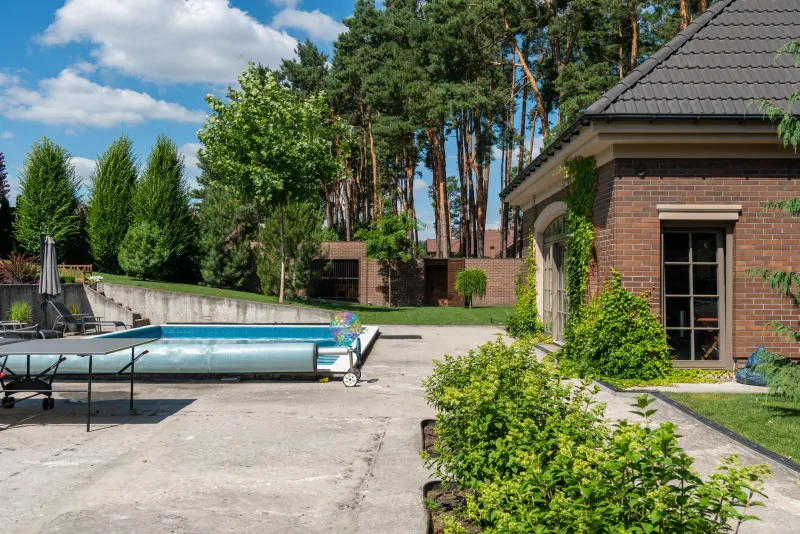
It is a common and costly assumption: a pool is a pool, and the equipment that serves one will serve another. This logic breaks down almost immediately when applied to cover bracket systems. The engineering requirements, regulatory context, and operational demands that define a commercial aquatic facility are fundamentally different from those of a residential backyard pool — and the bracket systems designed to serve each environment reflect that difference in ways that matter practically and financially.
This piece is written for the facility managers, property developers, HOA administrators, and institutional operators who are responsible for commercial aquatic environments and need a clear-eyed understanding of why the residential aisle of the pool supply store is not the appropriate starting point for their procurement decisions.
The Scale Difference Is Only the Beginning
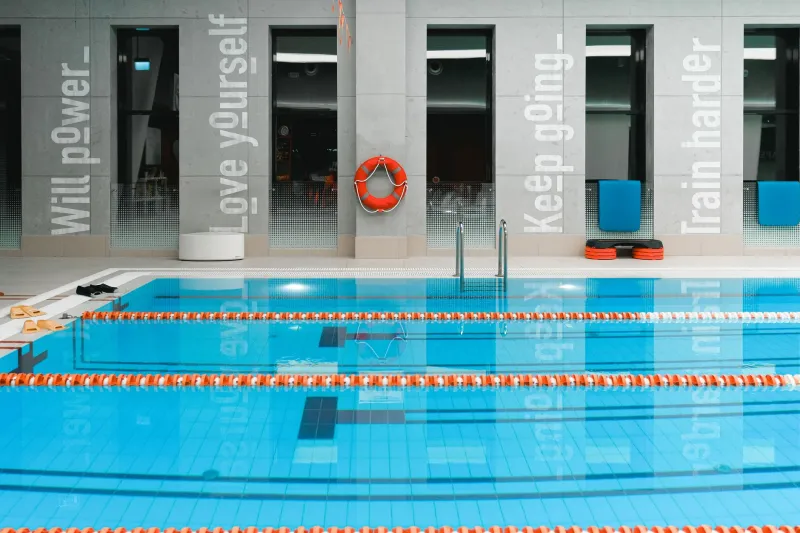
The most visible distinction between commercial and residential pools is size. A standard residential inground pool might measure 16 by 32 feet with a surface area of approximately 512 square feet. A commercial facility pool — whether at a hotel, fitness center, community recreation complex, or apartment property — may be two to four times that size or larger, with irregular geometries, multiple depth zones, and integrated features like lane lines, gutters, and zero-entry sections that complicate cover installation.
Scale alone demands heavier-duty bracket hardware. A cover spanning a larger surface area exerts proportionally greater tension across its anchor points, particularly under wind or snow load conditions. Residential bracket systems are rated for the load profiles of residential-scale covers; applying them to a commercial installation is the engineering equivalent of using residential electrical wiring in an industrial facility. The components may function briefly, but they are not designed for the sustained demands of the application.
However, scale is where the obvious differences end. The deeper distinctions lie in areas less immediately visible.
Load Ratings and Engineering Standards
Commercial pool cover bracket systems are engineered to significantly higher load specifications than their residential counterparts. This reflects both the greater physical demands of larger installations and the regulatory environment governing commercial aquatic facilities.
Residential bracket systems are typically tested and rated under consumer product standards appropriate for private use. Commercial systems, by contrast, are subject to more rigorous testing protocols and are often required to meet or exceed standards set by bodies such as the American National Standards Institute (ANSI), the Association of Pool and Spa Professionals (APSP), or applicable state and local building codes.
For safety covers specifically, commercial installations in many jurisdictions must meet the ASTM F1346 standard for pool covers, which includes specific load-bearing performance requirements. The bracket systems anchoring those covers must be capable of supporting the cover's rated load capacity without failure — a requirement that demands commercial-grade hardware.
Facility managers procuring cover systems should request documentation of compliance with applicable standards from any supplier. A reputable commercial bracket system will come with load rating certifications and testing documentation. The absence of such documentation is a meaningful red flag.
Installation Methodology: Professional Requirement vs. Owner Option
Residential pool cover brackets are frequently marketed as owner-installable, with straightforward anchor installation into standard concrete decking and minimal specialized tooling required. This is a reasonable design philosophy for a product serving homeowners with varying levels of technical aptitude.
Commercial bracket installation is a different matter entirely. The anchor points for commercial systems must be installed with precision into decking that may incorporate structural reinforcement, drainage systems, or other subsurface elements. Anchor spacing, depth, and alignment must meet manufacturer specifications and, in many cases, engineering review requirements. Improper installation at a commercial facility does not merely risk cover damage — it creates liability exposure and potential code violations.
For this reason, commercial bracket installation should be performed by licensed pool contractors with documented experience in commercial aquatic facility work. The installation itself should be documented, with anchor locations recorded and inspection records maintained. This documentation serves both maintenance planning and liability management purposes.
Durability Standards and Lifecycle Expectations
A residential pool owner might reasonably expect a quality bracket system to last seven to twelve years with appropriate maintenance. Commercial facilities operate under conditions that accelerate wear on all pool equipment, and bracket systems are no exception.
Commercial pools experience significantly higher bather loads, which translates to elevated chemical demand and more aggressive water chemistry. Splash-out, backwash discharge, and the general chemical environment around a commercial pool are more corrosive than typical residential conditions. Commercial bracket hardware must be manufactured from materials — typically marine-grade stainless steel or powder-coated aluminum with appropriate surface treatments — that can withstand this environment over a reasonable operational lifecycle.
Additionally, commercial covers are deployed and removed more frequently than residential covers, often on a daily or near-daily basis for lap pools or therapy pools that use covers for thermal retention between sessions. This operational frequency places far greater mechanical stress on bracket hardware, cover attachment points, and anchor interfaces than the seasonal deployment pattern typical of residential use.
Commercial bracket systems designed for this use pattern incorporate heavier-gauge hardware, reinforced attachment interfaces, and design features that facilitate rapid deployment and retrieval without placing undue stress on the anchor system.
Compliance, Liability, and Insurance Implications
For commercial aquatic facilities, pool cover systems are not merely equipment — they are components of a safety and compliance framework. In many states, commercial pools that use covers as barriers for access restriction must ensure those cover systems meet specific standards for child resistance and load capacity. Bracket failure that results in cover displacement could constitute a compliance violation with significant legal consequences.
From an insurance perspective, commercial property carriers increasingly scrutinize pool safety equipment during underwriting and renewal reviews. A facility using residential-grade bracket systems on a commercial pool may face coverage limitations or exclusions if a loss event occurs and the investigation reveals that non-commercial equipment was in use.
Facility managers should consult with their insurance carriers and legal counsel regarding the specific requirements applicable to their installation and ensure that their bracket system selection and maintenance documentation supports compliance.
A Practical Checklist for Determining Your System Requirements
To assist facility managers and property owners in determining whether a commercial-grade bracket system is required, consider the following evaluation framework:
Pool surface area: Is the pool larger than 800 square feet? Commercial-grade hardware is advisable.
Bather load: Does the pool serve more than immediate household members on a regular basis? Any pool serving guests, residents, members, or the public warrants commercial consideration.
Cover deployment frequency: Is the cover deployed and retrieved more than twice per week on average? High-frequency use demands commercial-rated hardware.
Regulatory environment: Is the facility subject to state or local commercial pool regulations? If yes, commercial-grade bracket systems with documented compliance are typically required.
Insurance requirements: Has your carrier specified equipment standards for pool safety systems? Review your policy and consult your broker.
Installation environment: Is the pool deck constructed with materials or subsurface features that require specialized anchor installation? Commercial installation by a licensed contractor is appropriate.
If the majority of these criteria apply to your facility, a commercial bracket system is not a premium option — it is the appropriate baseline.
The Right Tool for the Right Application
At Pool Cover Bracket, we supply both residential and commercial bracket systems precisely because we understand that these are distinct product categories serving distinct operational needs. Our commercial line is engineered to the specifications, load ratings, and material standards that commercial aquatic facilities require — and our team is available to assist facility managers in identifying the correct system for their specific installation.
The decision to specify commercial-grade bracket hardware is not an upsell. It is a recognition that pools serving the public, guests, or large resident communities carry obligations — legal, operational, and ethical — that demand equipment equal to the task. A bracket system is a small line item in a facility budget. The consequences of specifying the wrong one are not.